Fitment & Clearance
Fitment is five separate questions, and a tire can pass four of them and still be wrong.
1. Rim width range. Every size is approved for a range about two inches wide. Too narrow and the tread crowns so the center carries the load; too wide and the sidewall is stretched, hurting bead security and exposing the rim lip.
2. Load index. Must meet or exceed the door placard, without exception. This is the check most often skipped when swapping to a similar-looking tire, and the failure mode is a sidewall running hot under load.
3. Speed rating. A heat-tolerance specification, not a top-speed claim. Lowering it for a winter set is normal and accepted; mixing ratings across an axle is not.
4. Rolling diameter. Within ±3% of original, or the speedometer, ABS and shift points read off.
5. Physical clearance — where fitment actually fails.
Clearance fails at lock and at compression
Not in the driveway. Check the inner side at the strut, spring perch and suspension arms, and the outer side at the fender lip with the wheel at full lock.
Remember that section width is not tread width: the 225 measures the widest point of the sidewall, which is wider than the part touching the road and is the part that hits things. Section width also shifts about 5 mm per half-inch of rim width away from the tire's measuring rim.
Wheel offset moves the whole assembly inward or outward. A wider tire on a lower-offset wheel is two changes at once, and both clearances move.
Plus sizing
Larger rim, shorter sidewall, same overall diameter. Roughly +20 mm of width and −10 aspect points per inch of rim.
You gain steering response and cornering grip. You lose ride quality, pothole survival and a few pounds of unsprung weight per corner — and low-profile tires cost more and wear faster. Minus sizing is the sensible reverse for a winter set.
Reading the wear afterward
Center wear means overinflation, both edges means underinflation, one edge means camber or toe, feathering means toe, and cupping means suspension. Replacing tires without fixing the cause buys the same pattern again.
6 articles
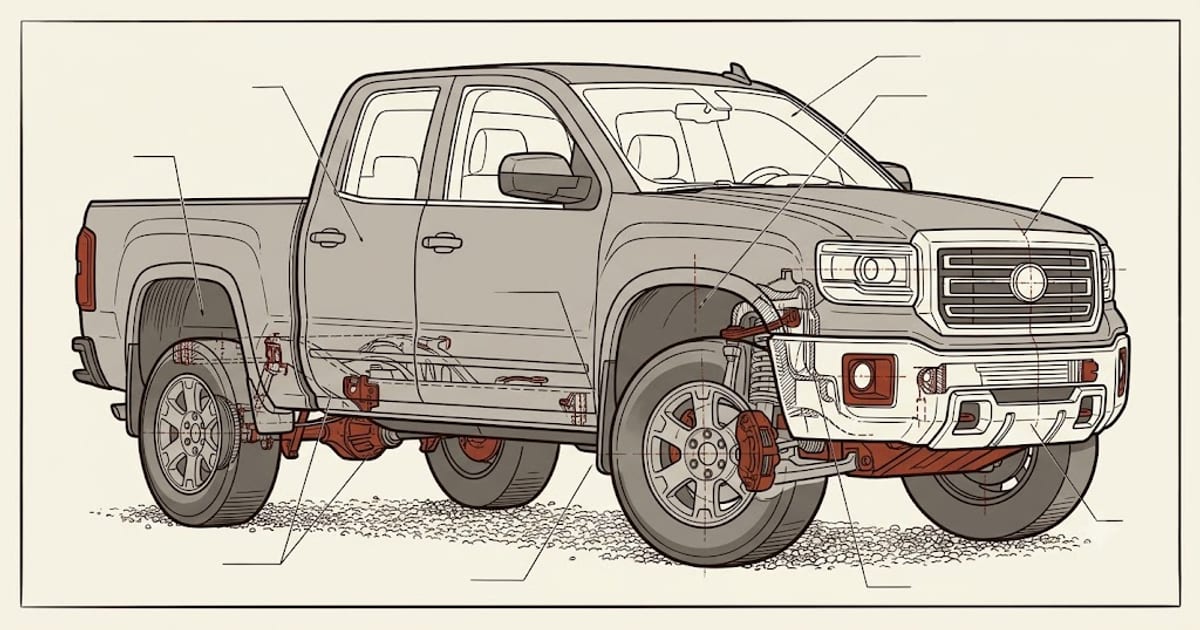 Will 33s Fit Without a Lift? Often Yes — the Rubbing Happens Where You Are Not Looking
Most stock trucks clear a 33-inch tire driving in a straight line. Fitment is decided at full lock over a bump, which is the one condition nobody tests in the parking lot.
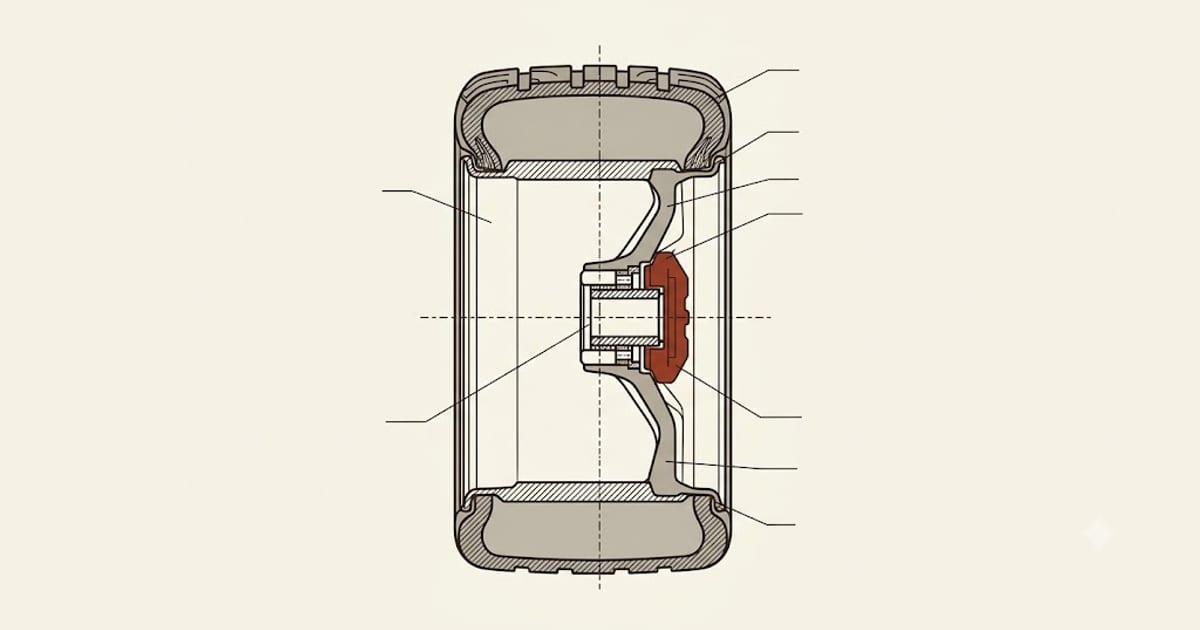 Plus Sizing Chart: Wider Tire, Shorter Sidewall, Same Rolling Diameter
Plus sizing trades sidewall for wheel and keeps the overall diameter where it was. Done properly nothing on the vehicle notices — which is the entire point.
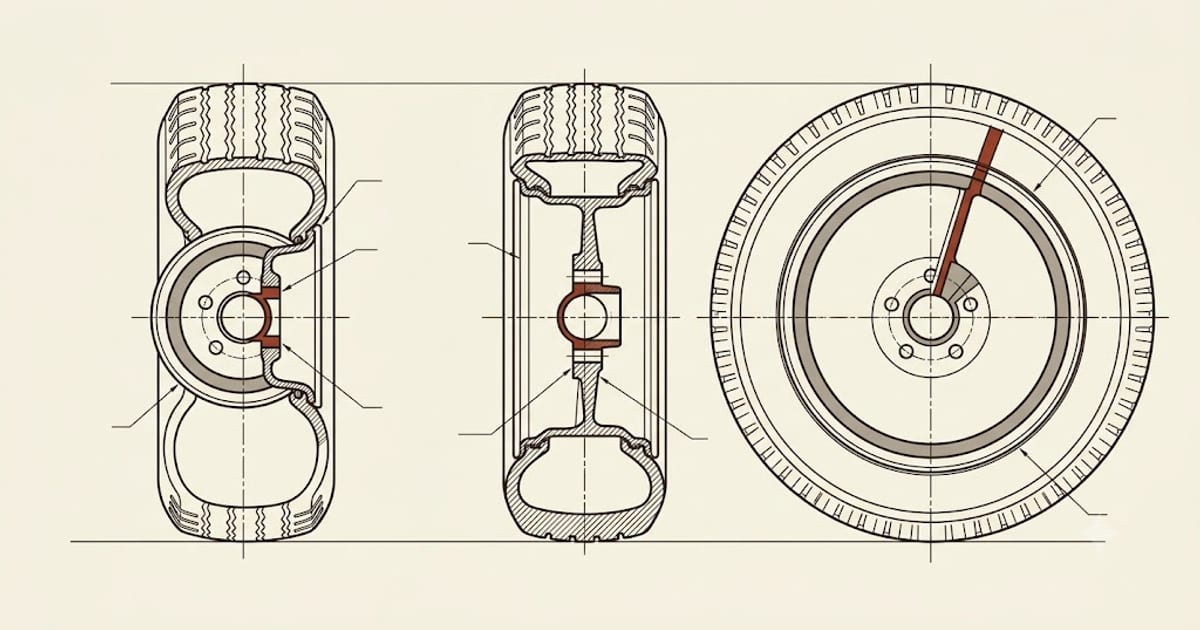 Plus Sizing: Bigger Wheels, Same Diameter, and What It Costs
Plus sizing keeps the tire the same overall height while making the wheel bigger and the sidewall shorter. Everything good and everything bad about it follows from that shorter sidewall.
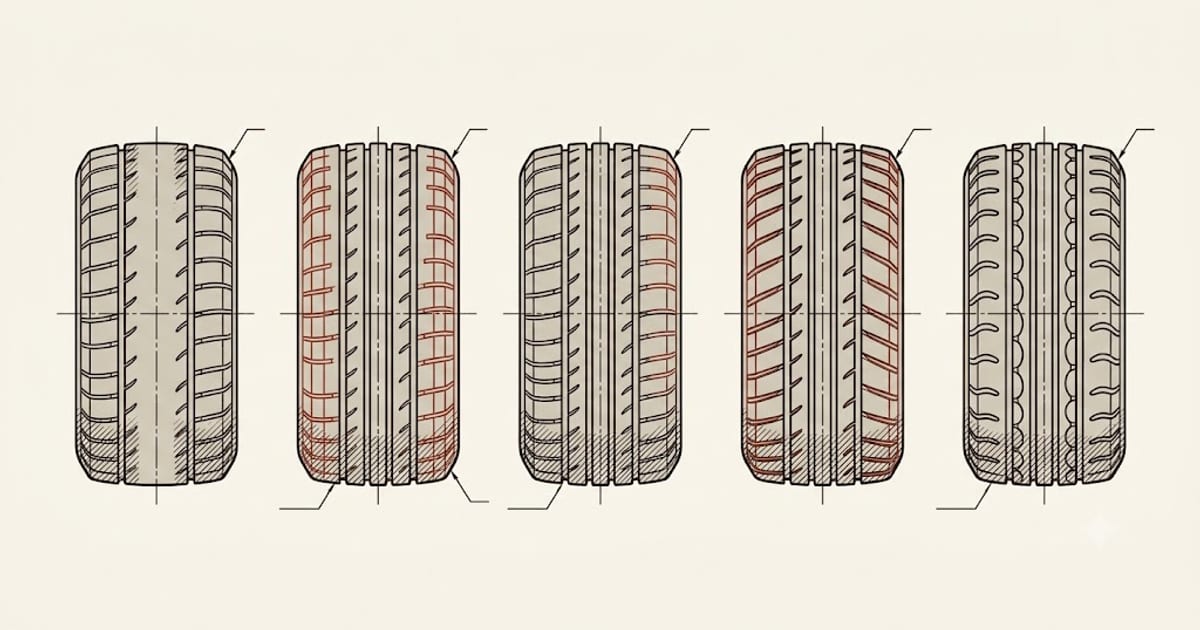 Reading Tire Wear: Five Patterns and What Each One Means
A worn tire is a record of everything that has been wrong with the car. Five patterns cover almost all of it, and each has one main cause.
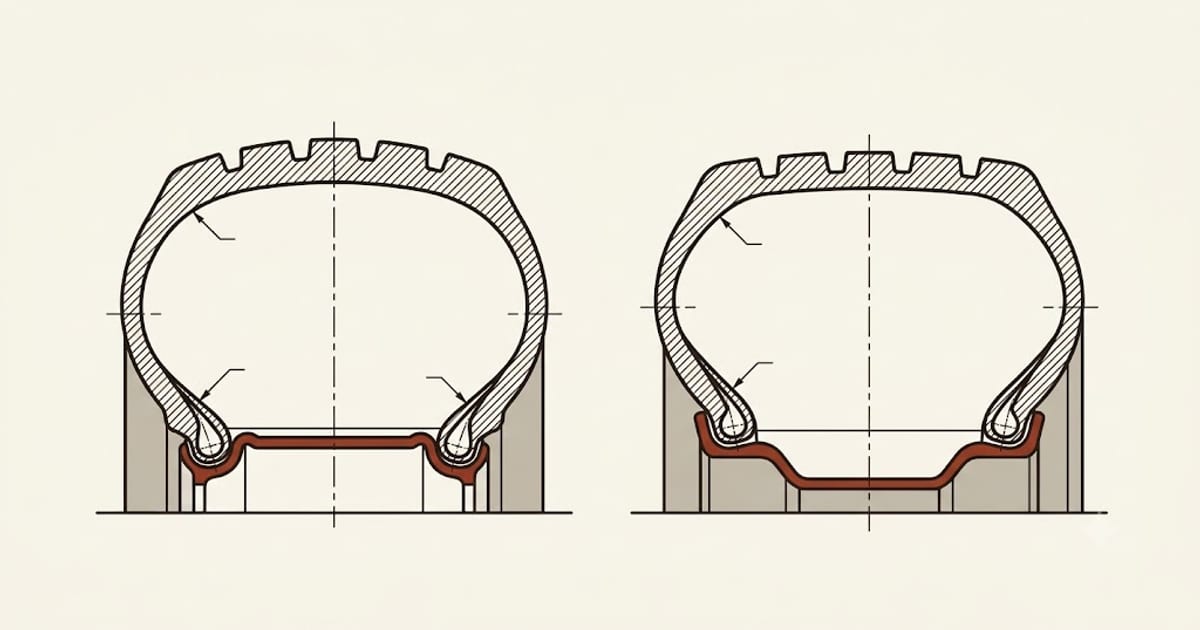 Rim Width and Tire Width: The Range, and What Happens Outside It
Every tire size is approved for a range of rim widths about two inches wide. Inside it the tire works as designed. Outside it, the contact patch changes shape.
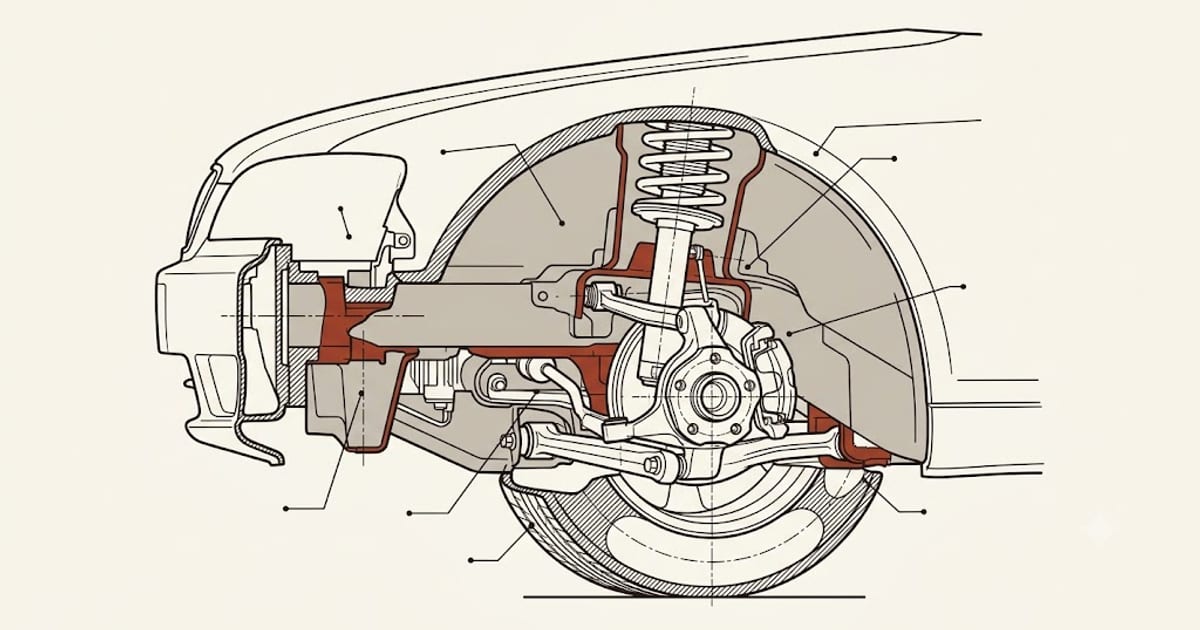 Will These Tires Fit? Five Checks, in the Order That Fails
A tire that mounts on the rim can still be the wrong tire. Five separate constraints have to be satisfied, and only one of them is about the numbers on the sidewall.