Size Conversion
A tire marked 225/45R17 is not three measurements. It is one measurement, one percentage, and one measurement — and that middle number is why two tires with the same width can differ by three inches in height.
225 is section width in millimeters, measured at the widest point of the sidewall. 45 is the aspect ratio: sidewall height as a percentage of section width. So 225 × 0.45 = 101 mm of sidewall. R17 is a radial tire on a 17-inch wheel.
Overall diameter is the rim plus two sidewalls.
Section width is not tread width
This catches people fitting wider tires. The 225 measures the bulge of the sidewall, which is wider than the part touching the road. Clearance problems appear at the sidewall, at full steering lock and full suspension compression — not in the driveway.
Everything downstream reads off diameter
The speedometer counts wheel rotations. So does the odometer, the ABS, and on many vehicles the transmission shift schedule. Change the rolling diameter and all of them read wrong by the same percentage.
The industry works to ±3%. Inside that window nothing needs recalibrating; outside it, several things do.
Flotation sizes are a different language
A tire marked 33×12.50R20 states the overall diameter directly — 33 inches — then the width in inches, then the rim. No arithmetic required, which is exactly why off-road tires use it.
What the numbers cannot tell you
Load index and speed rating come after the size, and they are not optional. A tire that fits geometrically but carries less than the vehicle placard requires is the wrong tire, whatever the size says.
8 articles
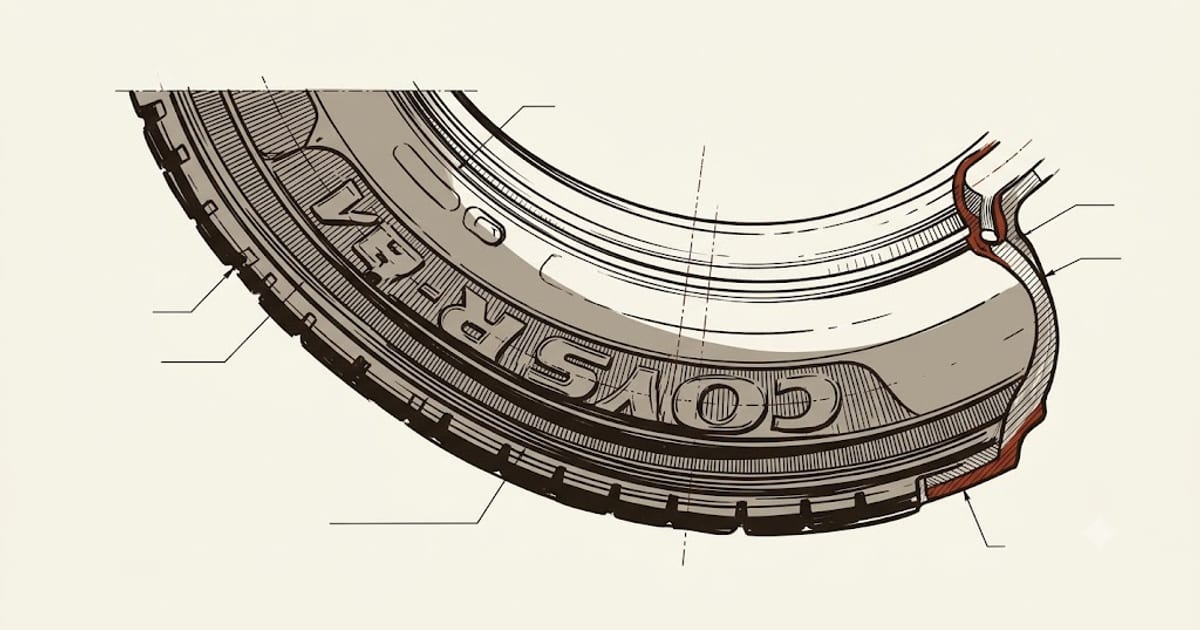 Reading a Tire Sidewall: Every Marking, and Which Ones Matter
A sidewall carries a dozen markings and most buying decisions come down to three of them. One of the three is a date.
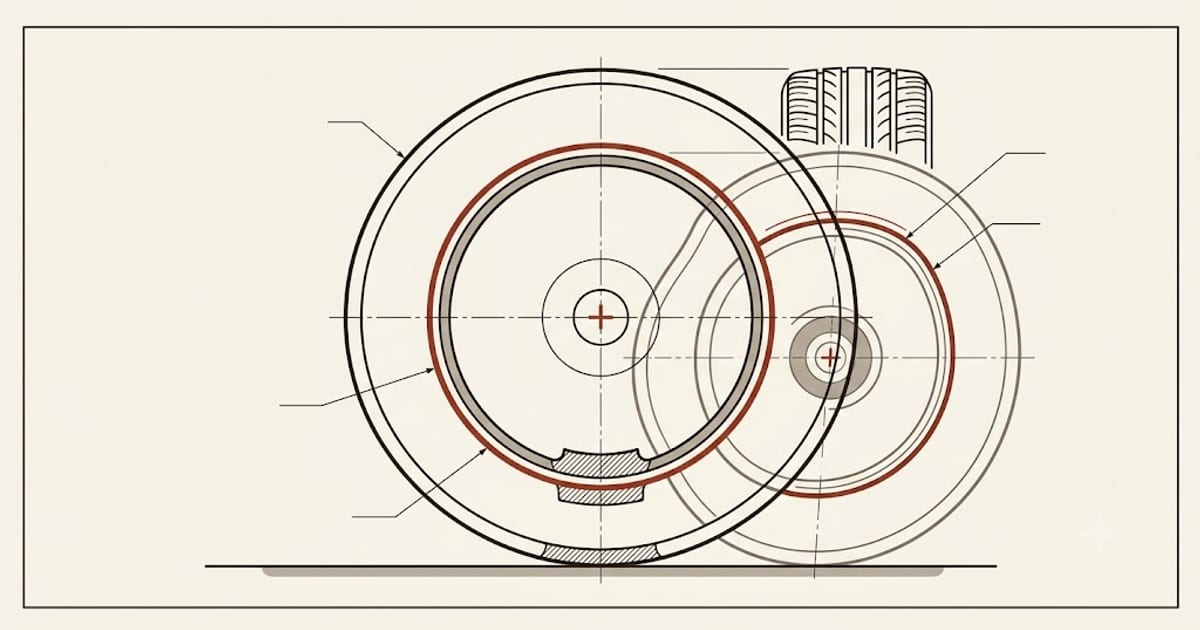 Comparing Two Tire Sizes: The Six Numbers That Change
Changing one number in a tire size changes six things about the car. Most comparisons show one of them.
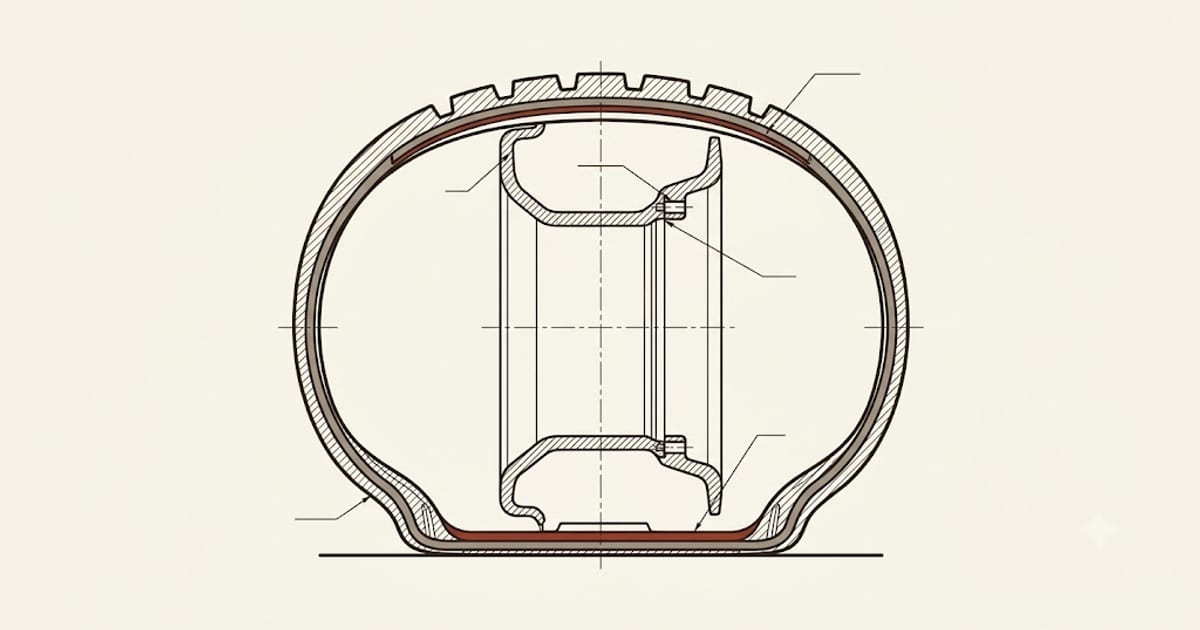 Rolling Circumference: Why It Is Not π × Diameter
A loaded tire is shorter than an unloaded one, and yet it covers almost the same distance per revolution. Understanding why clears up a lot of tire arithmetic.
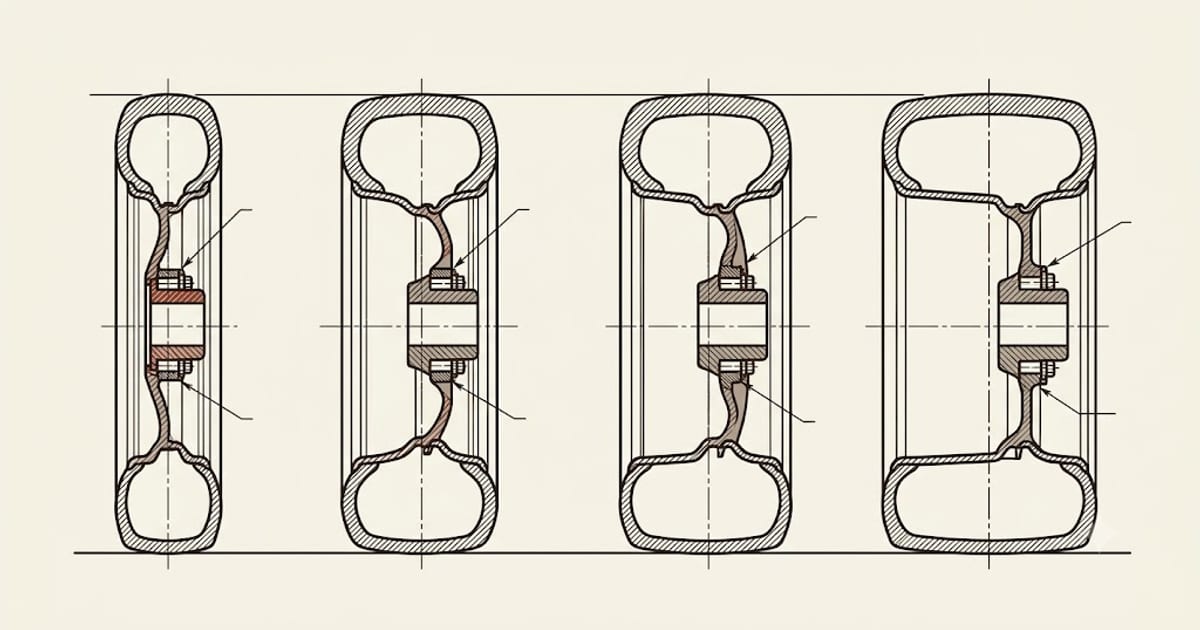 What Is a 33-Inch Tire in Metric? Seven Answers, Ranked
Seven common metric sizes get called 33s. They span half an inch in height and nearly two inches in width, and the width is what decides whether they fit.
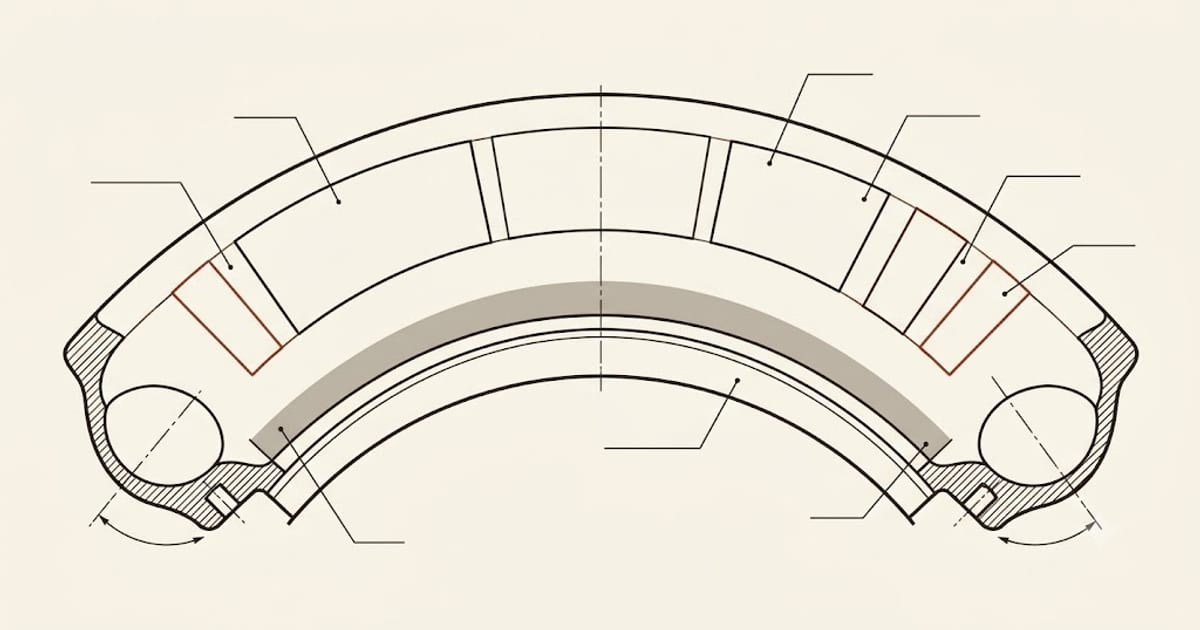 Reading a Tire Sidewall: Every Marking, in Order
The size is the part everyone reads. The characters after it are the part that decides whether the tire is legal on your vehicle.
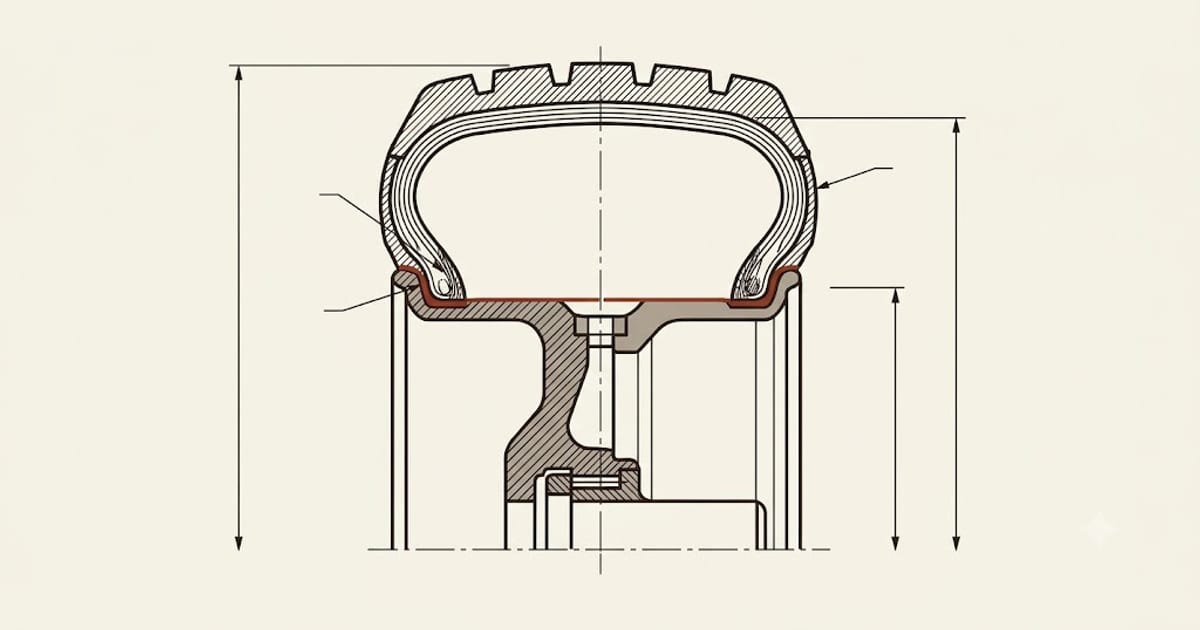 Metric to Inches Tire Size: Both Directions, Worked
Metric to inches is arithmetic with one answer. Inches to metric has many answers, because you are choosing among sizes that happen to land near your target.
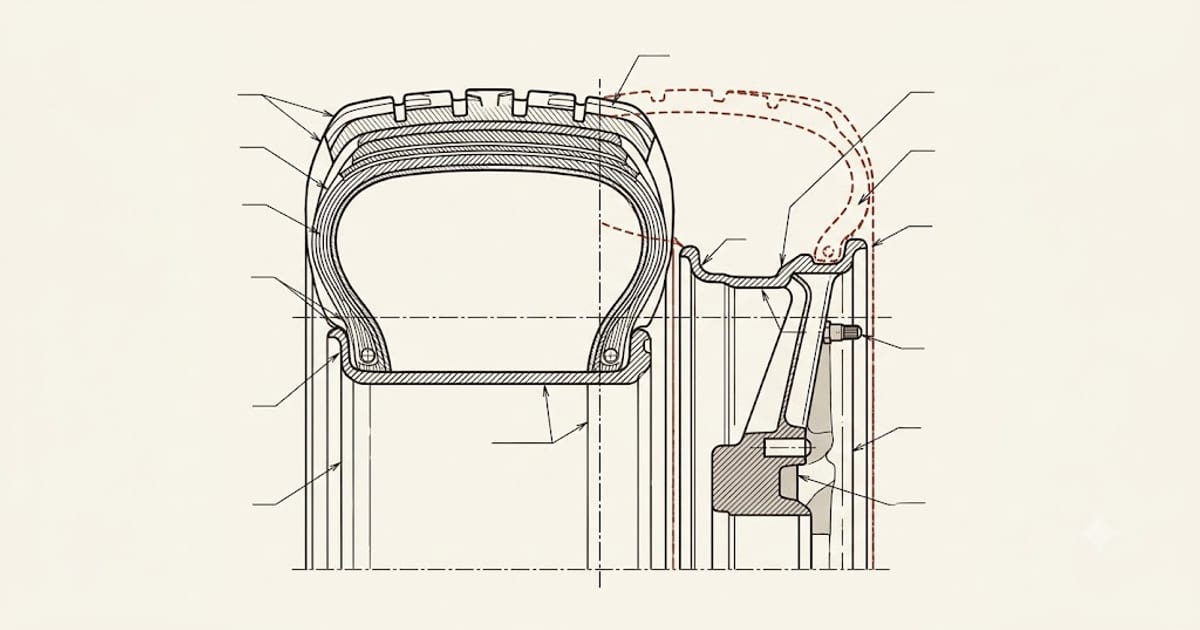 Comparing Two Tire Sizes: The Four Numbers That Change
Comparing sizes by diameter alone hides the change that most often causes the problem. Four numbers move when you change a tire, and they move independently.
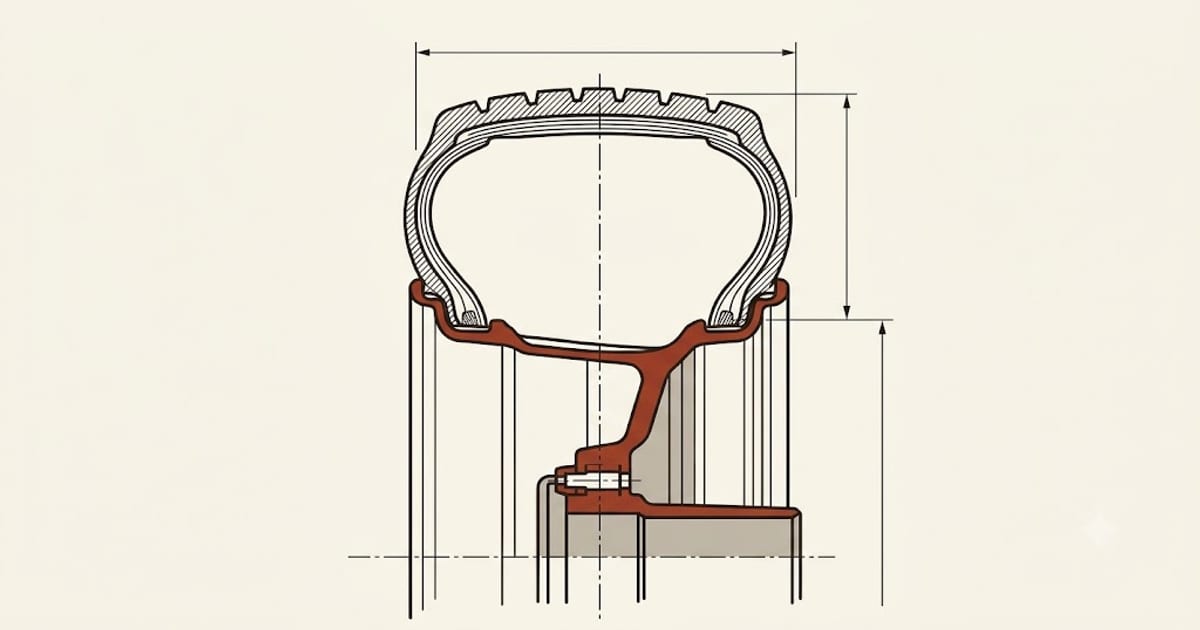 Tire Size Conversion: Reading the Sidewall, and What Changing It Costs You
The three numbers on your sidewall are not three measurements. The middle one is a percentage of the first, which is why two tires with the same width can differ by three inches in height.