Load & Speed Ratings
Two markings follow the size on every sidewall, and both are heat specifications rather than performance claims.
Load index
An index, not a weight — 91 is 1,356 lb per tire, 94 is 1,477, 97 is 1,609. The door placard states the minimum for your vehicle. Meet or exceed it, always.
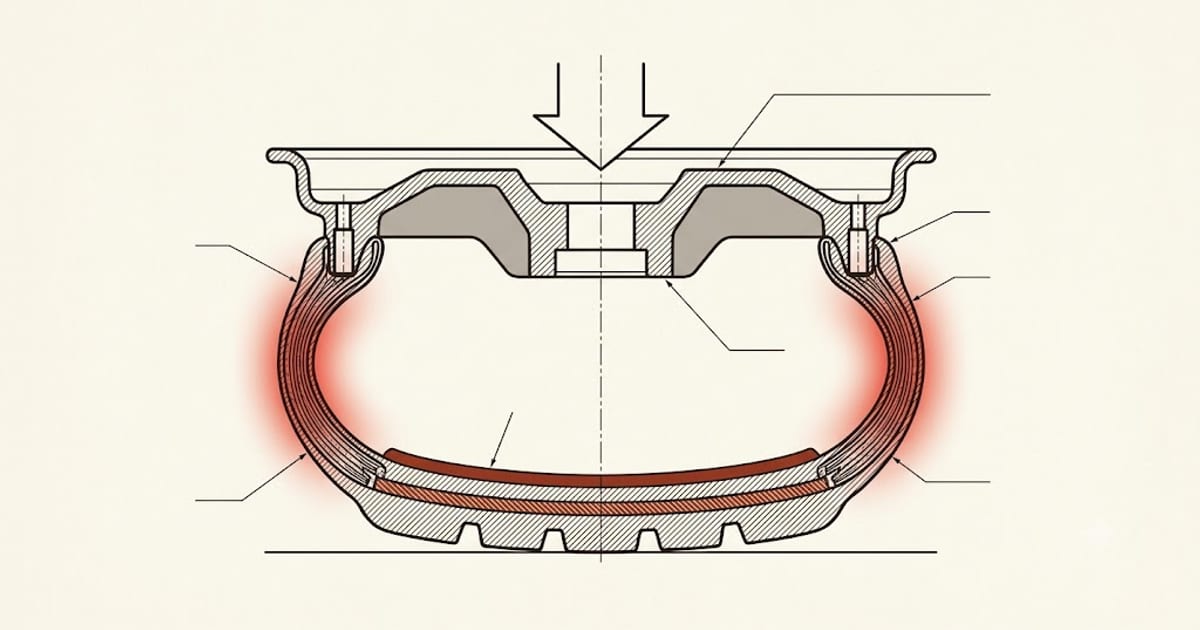
Load capacity depends on inflation pressure: the index is quoted at the tire's maximum rated pressure, so an underinflated tire carries less than its index says. That is why underinflation and heavy loads are such a dangerous combination.
An XL or Reinforced marking means a higher load index at a higher maximum pressure. XL tires need that higher pressure to deliver the capacity — run at standard-load pressures they give a harsh ride and none of the benefit.
Speed rating
S 112 mph · T 118 · H 130 · V 149 · W 168 · Y 186.
Verified by running the tire on a test drum until it survives or does not. A higher rating usually means stiffer construction and a softer compound — better response and grip, shorter tread life, harder ride. That is the real trade.
Lowering the load index: never. Lowering the speed rating for a winter set: normal, and often stated by the manufacturer.
UTQG
Treadwear is a relative number against each manufacturer's own reference tire, so it compares within a brand and only loosely between brands. Traction (AA to C) is wet straight-line braking, not cornering grip. Temperature (A to C) is heat dissipation.
Winter markings
M+S describes a tread pattern and certifies no performance. 3PMSF — the three-peak mountain snowflake — requires passing a standardised snow traction test, and it is the marking that means something.
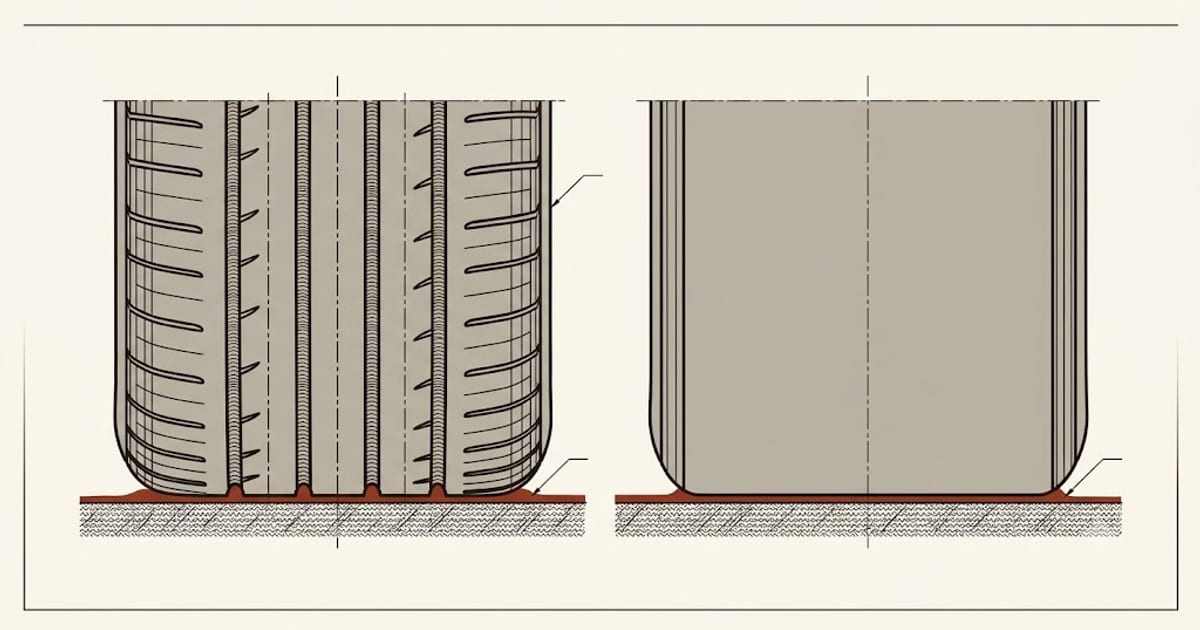
Winter tires work primarily through compound, not tread pattern. Below about 7 °C an all-season compound stiffens enough that grip falls off on cold dry asphalt, before any snow is involved.
Two lifespans
Tread life runs 20,000 to 80,000 miles by type. Calendar life runs 6 to 10 years regardless of tread, because rubber oxidises whether it rolls or not.
The DOT date code — four digits, week and year — is the only way to know a "new" tire's real age. Spares die this way almost universally: full tread, twelve years old, not safe.
5 articles
 Load Index and Speed Rating — The Two Codes at the End of the Size
Everyone reads the size and stops. The two characters after it are the ones with a safety consequence.
 Tire Load Index Chart: What Each Number Carries, and Why Four Tires Is Not the Sum
The load index is a code, not a weight, and the table is not linear. Reading it correctly also means understanding why the four numbers do not simply add up to your vehicle's weight.
 Load Index and Speed Rating: The Two Numbers After the Size
Both of these describe how much heat a tire can survive. Reading them as performance figures is why people fit tires that are technically wrong.
 All-Season or Winter Tires: The 7 °C Line
The difference is not the tread pattern people picture. It is the rubber compound, and it stops being about snow well before any snow falls.
 How Long Tires Last: Miles, Years, and Which One Retires Them
Two clocks run on every tire and either one can end it. Most people watch the tread and get caught by the calendar.