Speedometer Error
A speedometer does not measure speed. It counts wheel rotations and multiplies by a distance-per-rotation figure fixed at the factory. Change the rolling diameter and the display is wrong by exactly that percentage.
error % = (new diameter − old diameter) ÷ old diameter × 100
A taller tire under-reads — the wheel turns fewer times for the same distance, so the display shows less than actual speed. A shorter tire over-reads.
The 3% window
The industry works to ±3% of original rolling diameter. Inside it, the error is below what most gauges resolve, ABS and stability control tolerate it, and shift points are unaffected. Beyond 5% it is worth recalibrating; beyond 10% it is not optional.
Six things read off diameter, not one
- Odometer — under-reads with taller tires, quietly extending every service interval. A 5% error hides 7,500 miles over 150,000.
- ABS and traction control — these compare wheel speeds. Uniform error is tolerated; mismatched sizes front to rear are a fault, not an inaccuracy.
- Transmission shift schedule — many automatics shift on vehicle speed, so a large under-read makes the box shift late and run hotter.
- Cruise control — holds the wrong speed by the same percentage.
- Indirect TPMS — infers pressure from rotation rate and can throw false warnings after a size change.
- Adaptive cruise and lane keeping — increasingly listed by manufacturers as requiring recalibration after a size change.
Pressure is a cold measurement
Every recommended pressure is a cold figure: three hours stationary, or under a mile driven. Driving adds 2 to 6 psi, and ambient temperature moves pressure about 1 psi per 10 °F — which is why TPMS lights appear on the first cold morning of autumn with nothing leaking.
Use the door placard, never the sidewall maximum. That maximum is the tire's limit at its maximum load, not a recommendation for your vehicle.
And never bleed a hot tire down to the placard figure. It will be substantially underinflated once it cools, which is the more dangerous direction.
6 articles
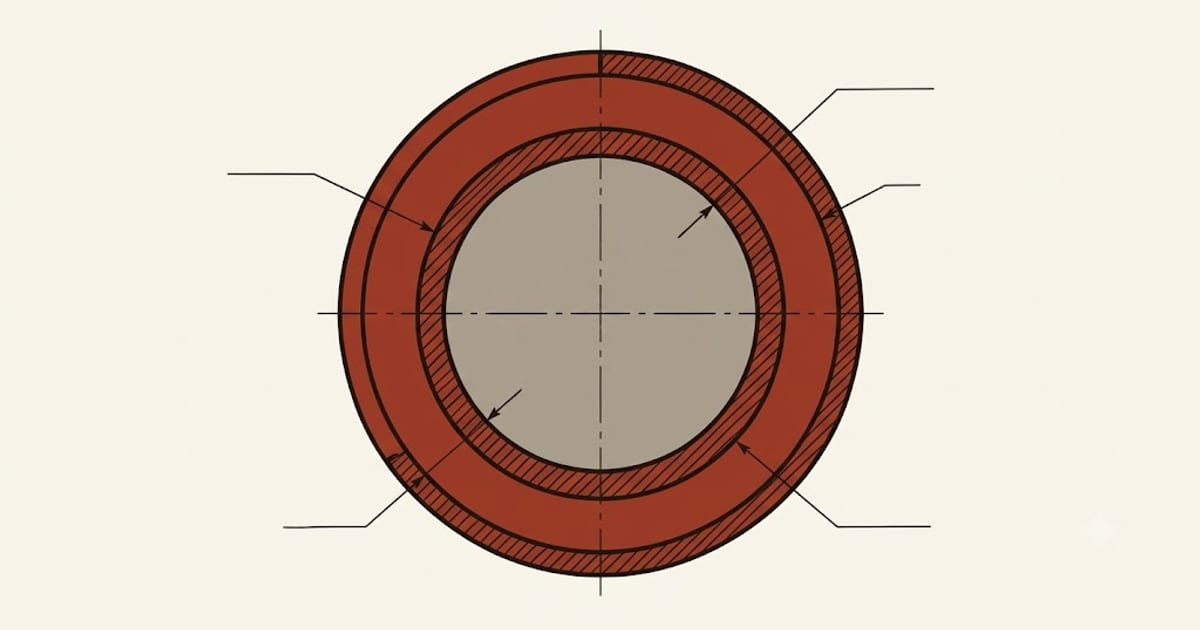 Speedometer Error From Tire Size — One Ratio, and It Runs Both Ways
A one-inch increase in diameter on a 30-inch tire is a 3.3% error. At an indicated 70 you are doing a bit over 72.
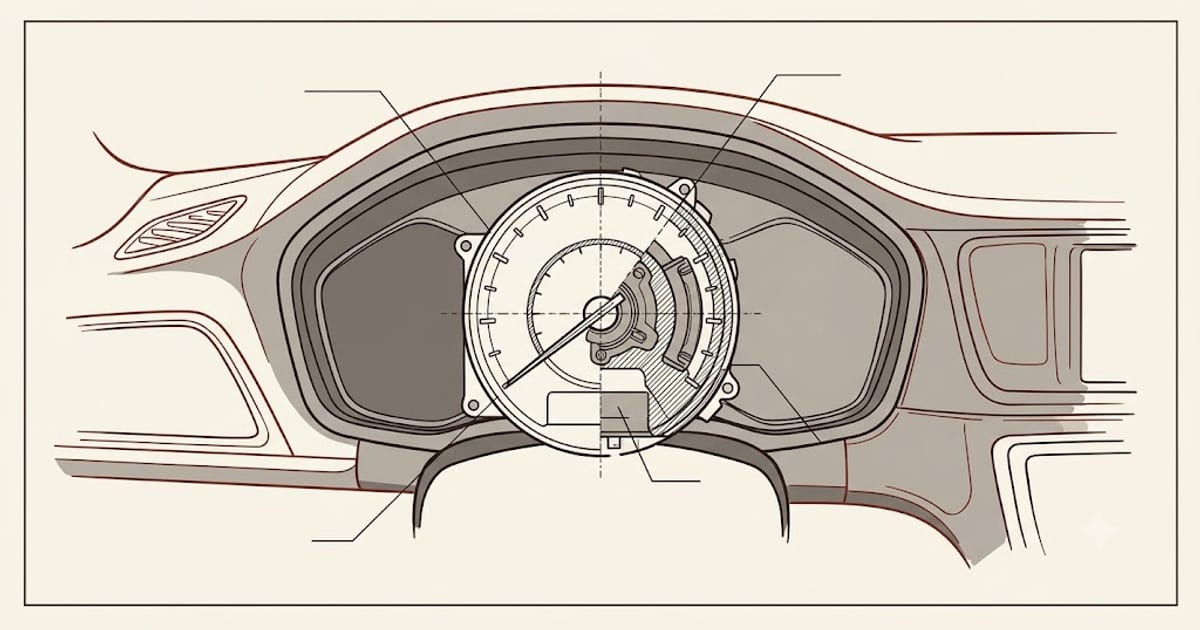 Recalibrating a Speedometer After a Tire Change: Four Routes, and How to Verify It Worked
On most modern vehicles the tire size is a stored number, not a mechanical ratio. Where that is true, correcting it takes minutes; where it is not, the options get physical.
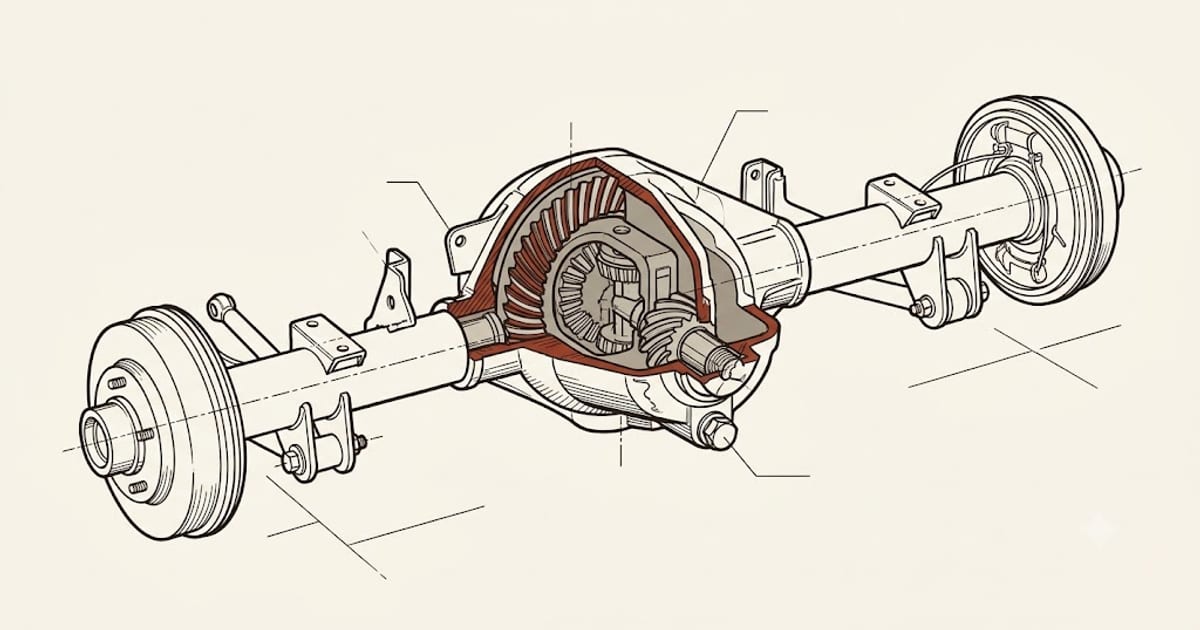 Bigger Tires Change Your Gearing — Here Is How Much, and What to Re-Gear To
A larger tire is a gear change nobody installed. The effect is the same as swapping the differential for a taller one, and the arithmetic is a single ratio.
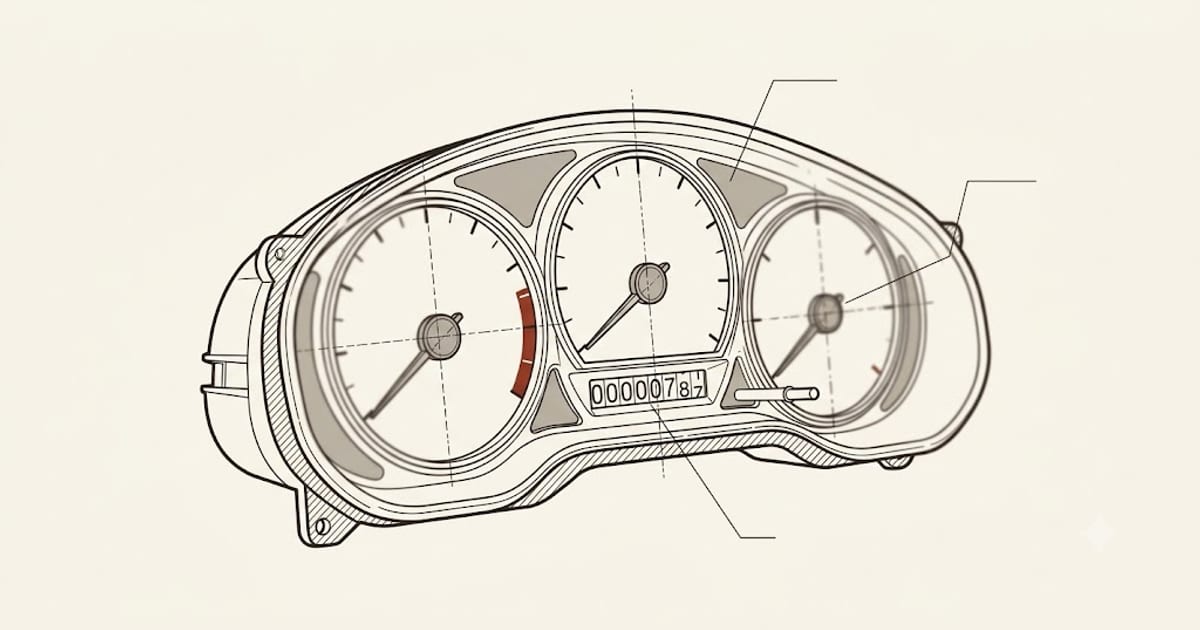 Does Tire Size Affect the Odometer? Yes — and It Costs You Warranty Miles
The speedometer error gets all the attention because you can see it. The odometer runs on the same signal and quietly accumulates the same error over every mile.
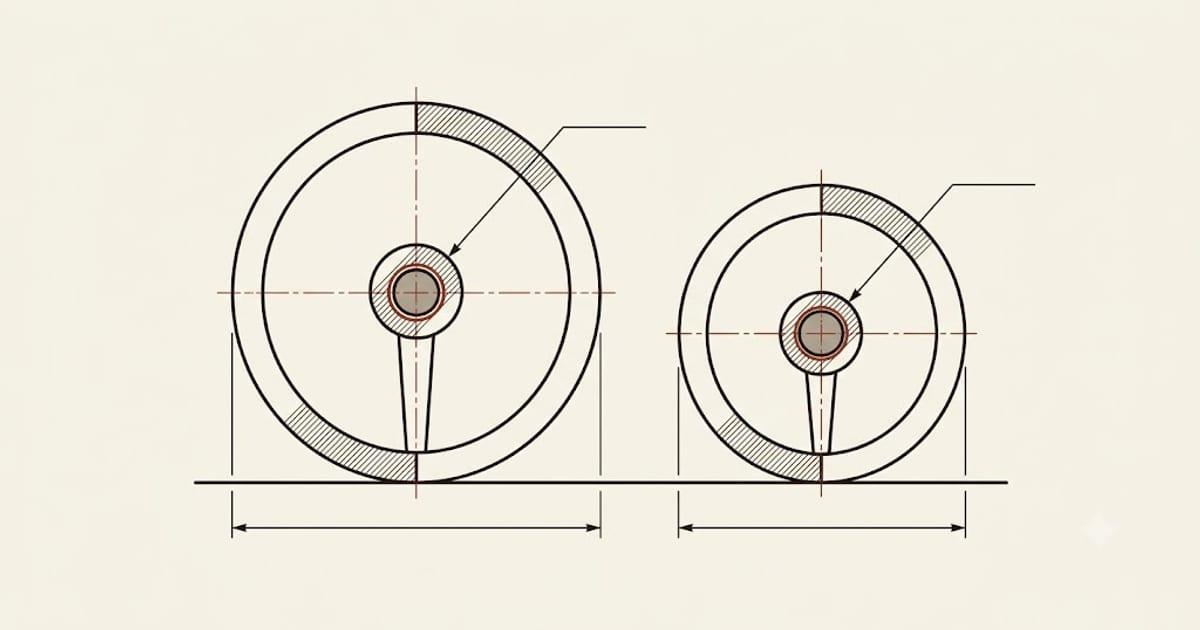 How Tire Size Changes Your Speedometer — and What Else Reads Wrong
The speedometer is the error people notice. It is not the only one, and on some vehicles it is not the most important one.
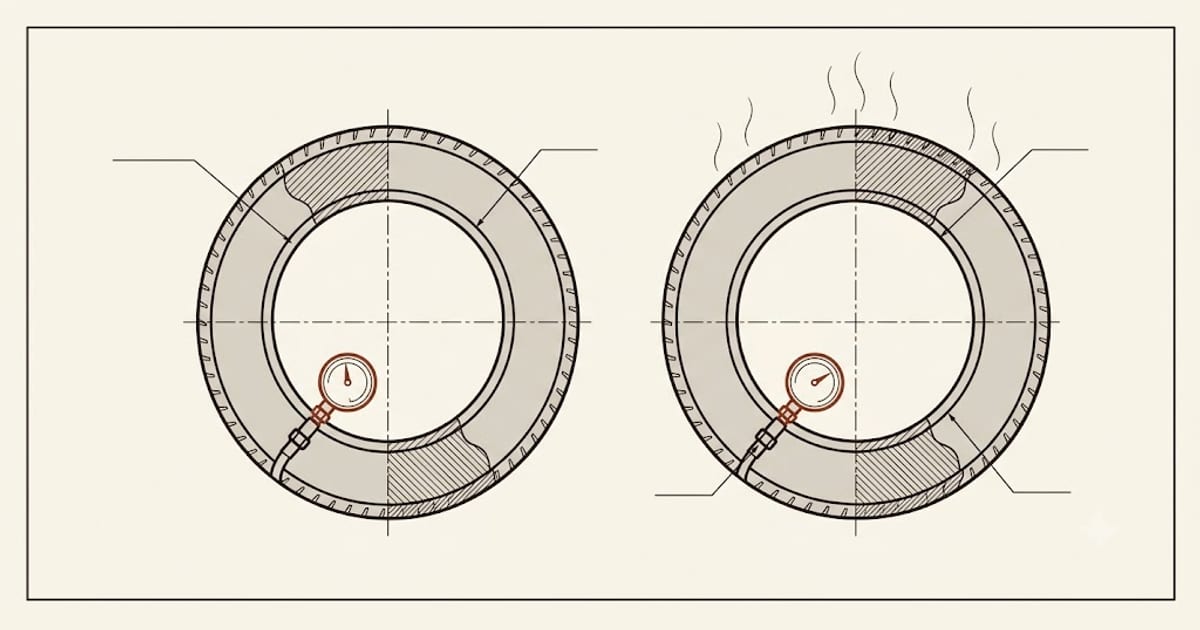 Why Tire Pressure Is Always Checked Cold
A tire gains several psi within a few miles of driving. Every pressure specification in the world assumes you have not driven.